Choose the view that matches the learning objective
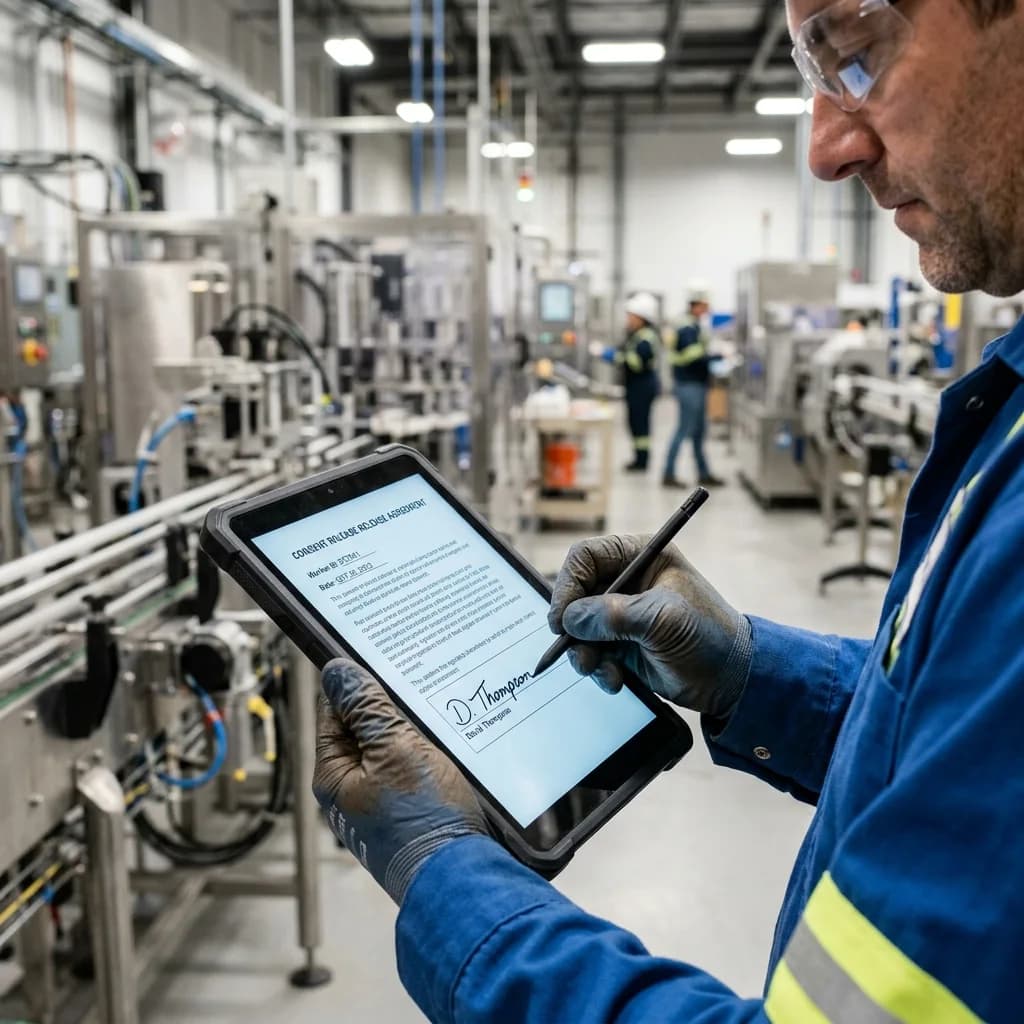
Egocentric cameras show what the demonstrator sees. They are useful for fine manipulation, tool use, object state changes, and tasks where the hands frequently block a fixed camera.
Exocentric cameras show the full workspace. They make it easier to inspect body motion, scene layout, task order, and interactions that happen outside a first-person field of view.
Plan for the weaknesses of each perspective
Head-mounted video moves with the participant and can introduce blur, rapid viewpoint changes, and missing context. Fixed cameras can lose important details when hands or objects are occluded.
A useful pilot measures these failure modes before scaling. Camera height, lens choice, task boundaries, and lighting should be tested against the actual model objective.
Use synchronized multi-view data when alignment matters
Synchronized egocentric and exocentric video lets teams connect local hand-object interaction with the broader task state. It is especially valuable for bimanual manipulation, long workflows, and vision-language-action research.
The delivery schema should preserve camera identifiers, timestamps, synchronization offsets, and task phase labels so views can be aligned reliably.