Environment diversity is model diversity
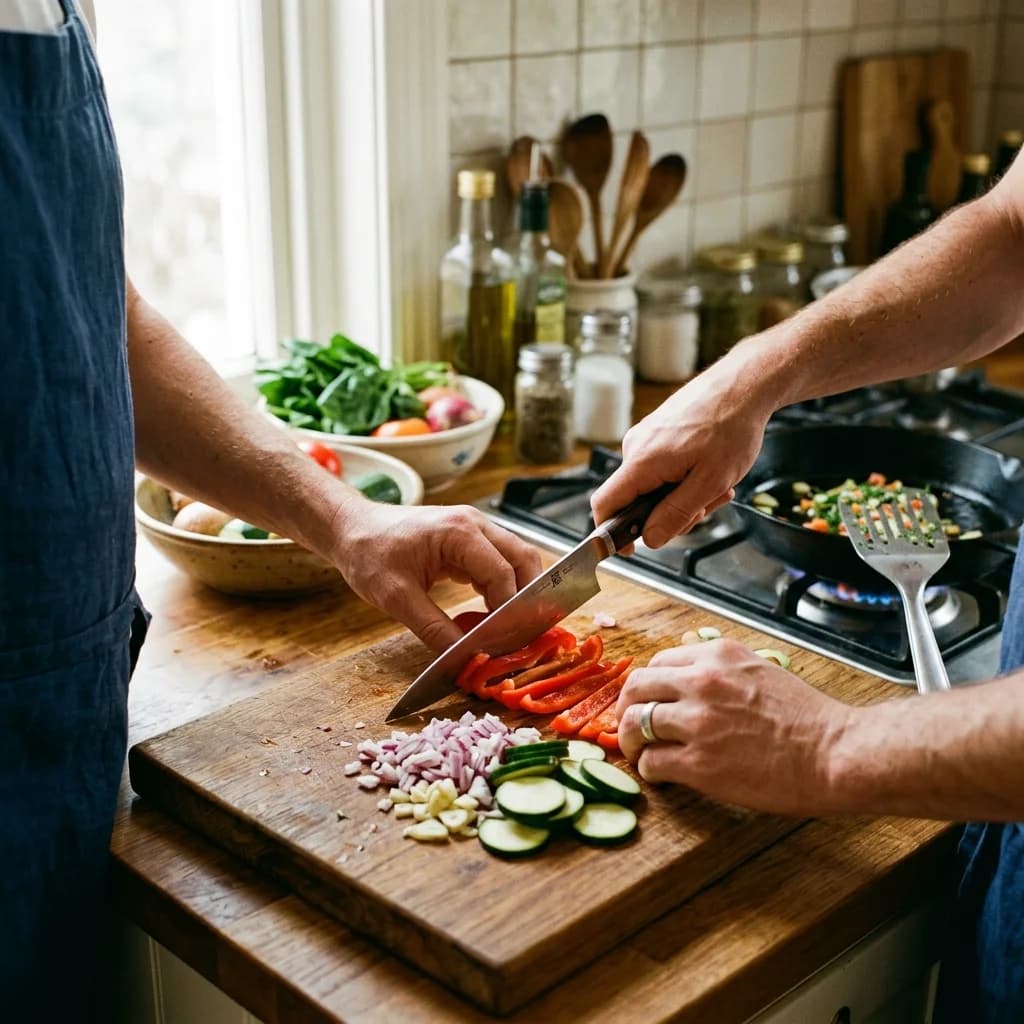
Households differ in storage, surfaces, utensils, appliances, and the sequence people use to complete tasks. These differences create useful signal for robots expected to operate outside controlled labs.
Indian homes add meaningful variation without requiring teams to manufacture artificial edge cases.
Prioritize tasks with transferable value
Cleaning, food preparation, sorting, folding, pouring, and object retrieval expose models to deformable materials, liquids, clutter, and bimanual motion.
The strongest collection briefs connect each task to a target model capability and measurable acceptance criteria.
Document the capture context
Environment notes, camera position, object lists, task success, and lighting conditions help teams understand why clips differ.
That context turns geographic diversity into a filterable training asset rather than an unstructured video archive.
Build consent into field operations
Household capture requires clear participant consent, privacy review, and controls for sensitive background details.
A consent-first workflow makes the resulting dataset easier for engineering, legal, and procurement teams to evaluate together.